Building a comprehensive AI golf application ecosystem
A personal project to create a unified platform and database for a suite of interconnected golf applications, enabling seamless user experiences across multiple products.
01
My Role
I began working on this concept in 2020 to learn front-end and back-end development. Throughout the project, I've gained deep insights into the golf industry and alsodiscovered my passion for programming and AI automation.
02
Deliverables
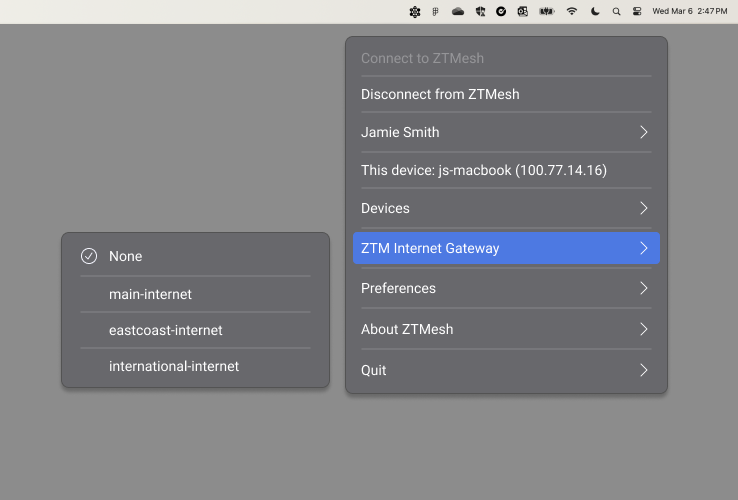
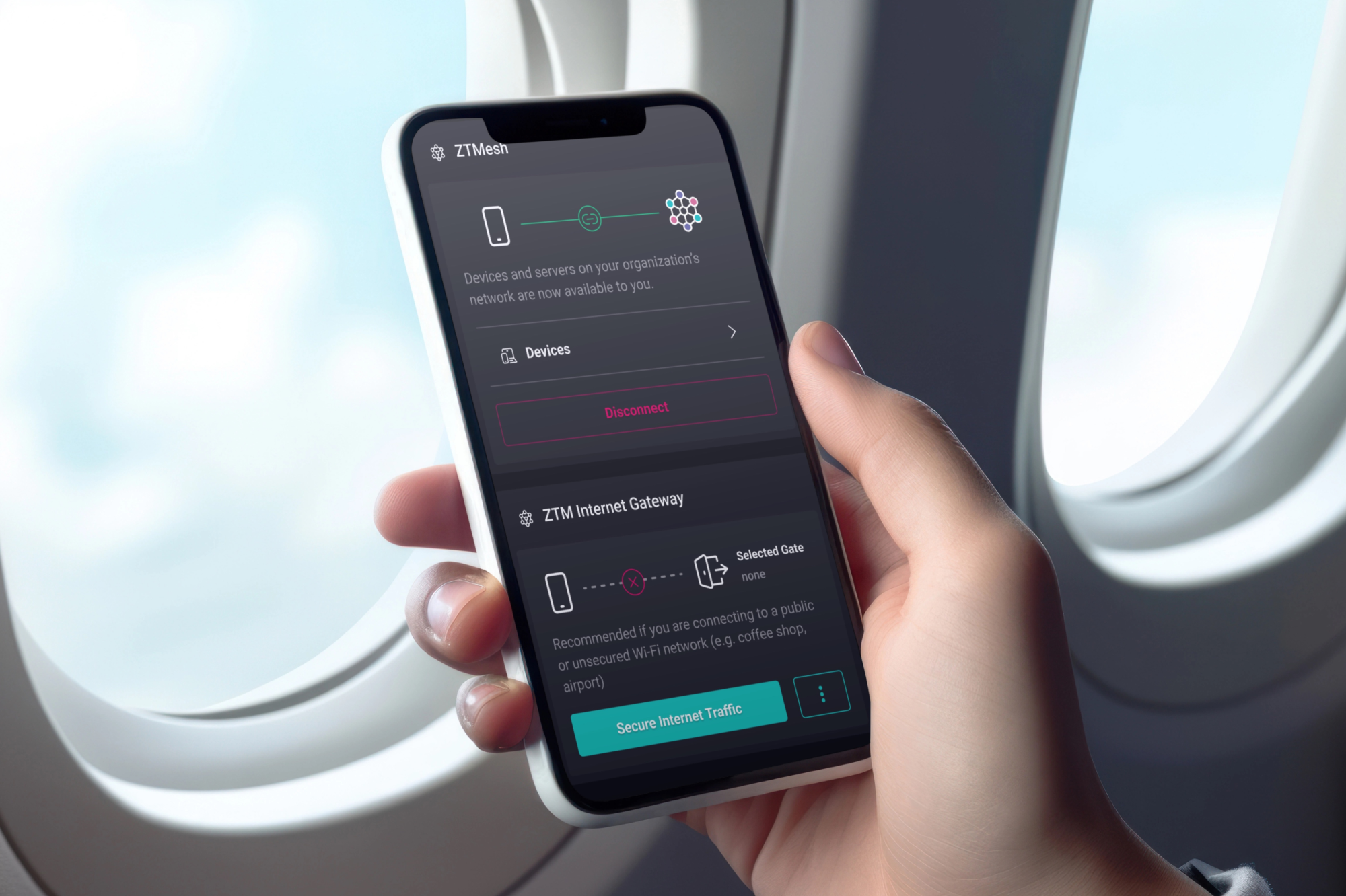
I designed a complete VPN Management solution called ZTMesh. The solution includes a React web application, a macOS and Windows native app, an iOS and Android app, and a ZenDesk Help Center.
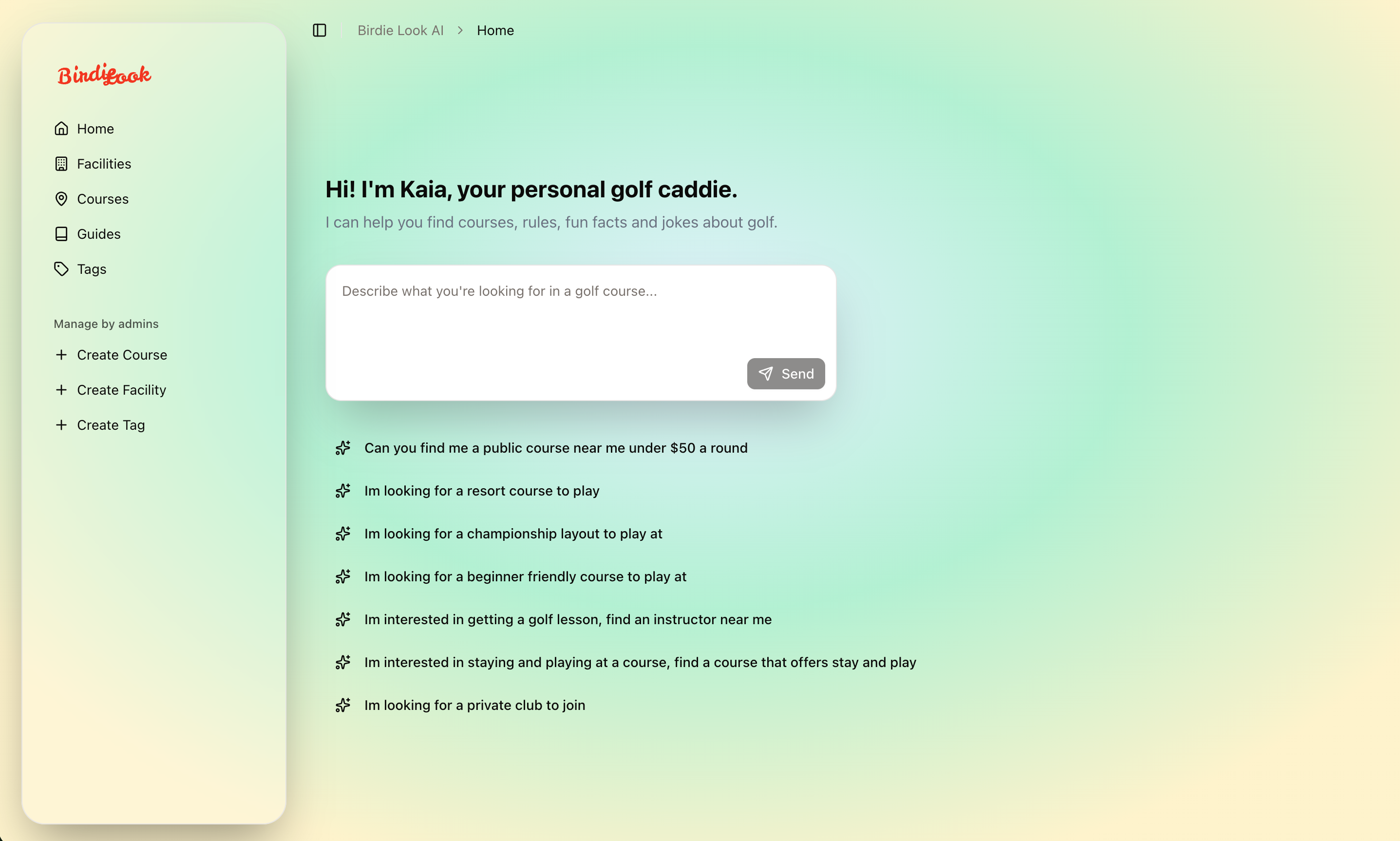
Find Golf Experience Generative AI
The web application a great service for discovering golf courses when planning a golf trip. I'd also developed it as a easier tool and platform to add new golf course details and GPS map data.
Supporting Products
The following products are useful tools for paying customers to utlize to manange their faciliyt and events with more ease of use.
BirdieBook.ai
This web application offer golf facilities a platform to manage and offer tee times booking for their golf courses.

BirdieClub.ai
This platform offer golf clubs and organization to plan, setup, and manage their golf events.
BirdieClub Mobile
This is a mobile application for club members or individual to track rounds score and get GPS and AI caddie support during live rounds.
03
The Problem
Through extensive use of various golf GPS applications, I identified a critical issue: most applications significantly drain phone battery life. While designing a solution to address this problem, I uncovered several additional challenges and opportunities within the golf technology space.

Mapping Data
Most golf applications rely on outdated data and are inflexible to modify or extend because they depend on map data purchased from external sources. To gain greater control over adding additional map data and implementing live activity tracking, I opted to create my own database of course and map data using Firebase Database, enabling real-time updates and custom data management.
Battery Life
Most applications designed around the GPS feature are battery-intensive because GPS runs continuously in the background. However, I observed that during a live round, players only need GPS for approximately half the time, typically during approach shots. By prioritizing score tracking first and making GPS more accessible, I developed a solution that provides an optimal balance for all types of players while significantly extending battery life.
Providing Value
Developing a better golf application doesn't guarantee that golfers will switch to using your application. You have to offer something of undeniable value. While almost all golf courses offer deals through various channels, the most effective way to reach customers is through the app they use to find golf courses. Birdie Looks makes it significantly easier for facilities to offer deals and for players to discover and access them, creating a valuable ecosystem for both course operators and golfers.
Managing Events
Hosting golf events often requires a lot of planning and coordination. Most organizers use spreadsheets or paper to manage their events.
04
Approach
As an avid golfer and active user of golf technology, I initiated the design process to address specific frustrations I had encountered with existing applications. Following the development of an MVP, I conducted extensive user testing by using the application myself, engaging friends as beta testers, and conducting structured interviews with numerous golfers to gather comprehensive feedback and validate design decisions.

Research
Through comprehensive interviews and on-course observations of numerous golfers, I identified three distinct player segments. The first group actively enjoys using their free GPS applications. The second group prefers using a rangefinder and tracking scores on a traditional scorecard. The third group prefers delegating tracking responsibilities to others. The second group represents the largest segment, and while they demonstrate a strong desire to improve their game, they find existing technology overly complicated and distracting. To effectively serve this segment, a golf application must achieve the simplicity of pencil and paper. This presented a significant design challenge, but I developed a solution that was met with enthusiastic reception.

Development
I selected React and React Native as the core technologies due to their maturity and extensive ecosystem. These frameworks benefit from well-established documentation, comprehensive online learning resources, and a robust developer community on platforms such as Stack Overflow. For data management, I implemented Firebase, which provides a comprehensive suite of APIs for authentication, cloud database functionality, and storage solutions, enabling efficient backend infrastructure development.
05
Challenges
Two primary challenges emerged during development. First, establishing a flexible database structure for golf facility information required several iterations before selecting Firebase's Firestore NoSQL database. Second, managing feature scope proved challenging: I initially overdesigned the application and had to cut many features, rewriting the mobile application several times, though this process was valuable for testing and validation.

Setting Up Database
Creating and storing comprehensive documentation of a golf facility's information, including all golf courses on the property and tagging those courses with relevant details such as scorecards and GPS data, required significant foresight and careful planning. In my experience, it took several iterations to establish the optimal data structure. I ultimately selected Firebase's Firestore NoSQL database structure, which offers excellent API documentation and enables flexible, efficient storage and retrieval of complex data relationships.

Many Features
When designing and developing an application in a competitive market, it's easy to include existing features or implement new functionalities that aren't central to the app's core value proposition. I initially overdesigned the application and had to cut many features, rewriting the mobile application several times throughout the development process. However, developing these ideas proved beneficial for testing and validation purposes, helping refine the final product to focus on essential user needs.